
IN DEVELOPMENT
Project: Hamster is a fun and whimsical 3D platformer currently in development by our indie team, Kip Tender Games. Players take on the role of a young scientist who, after a failed experiment, finds himself trapped in the tiny body of his beloved hamster, Victor Hamsterstein. Now, he must navigate a world far too big for him, solving puzzles and using clever mechanics to find a way back to his human self.
Summary of responsibilities
(Creative) Production:
Overall project & team management (Member onboarding, meetings, stand-ups, task division)
Documentation of developer’s wiki for the project (User testing guidelines, marketing research, game flow, etc.)
Supervising the Art and Design team and providing feedback on all fronts
Working alongside the Technical Producer to ensure progress in development (Version control, testing and feedback on mechanics, etc.)
Environment Art:
Concepting visual storytelling for the level based on the designer’s greybox
Documenting style guides, tools, and references for the art team
Creating (stylized) organic and hard-surface props for the scene
(Creative) Production and Project Management
Project Management
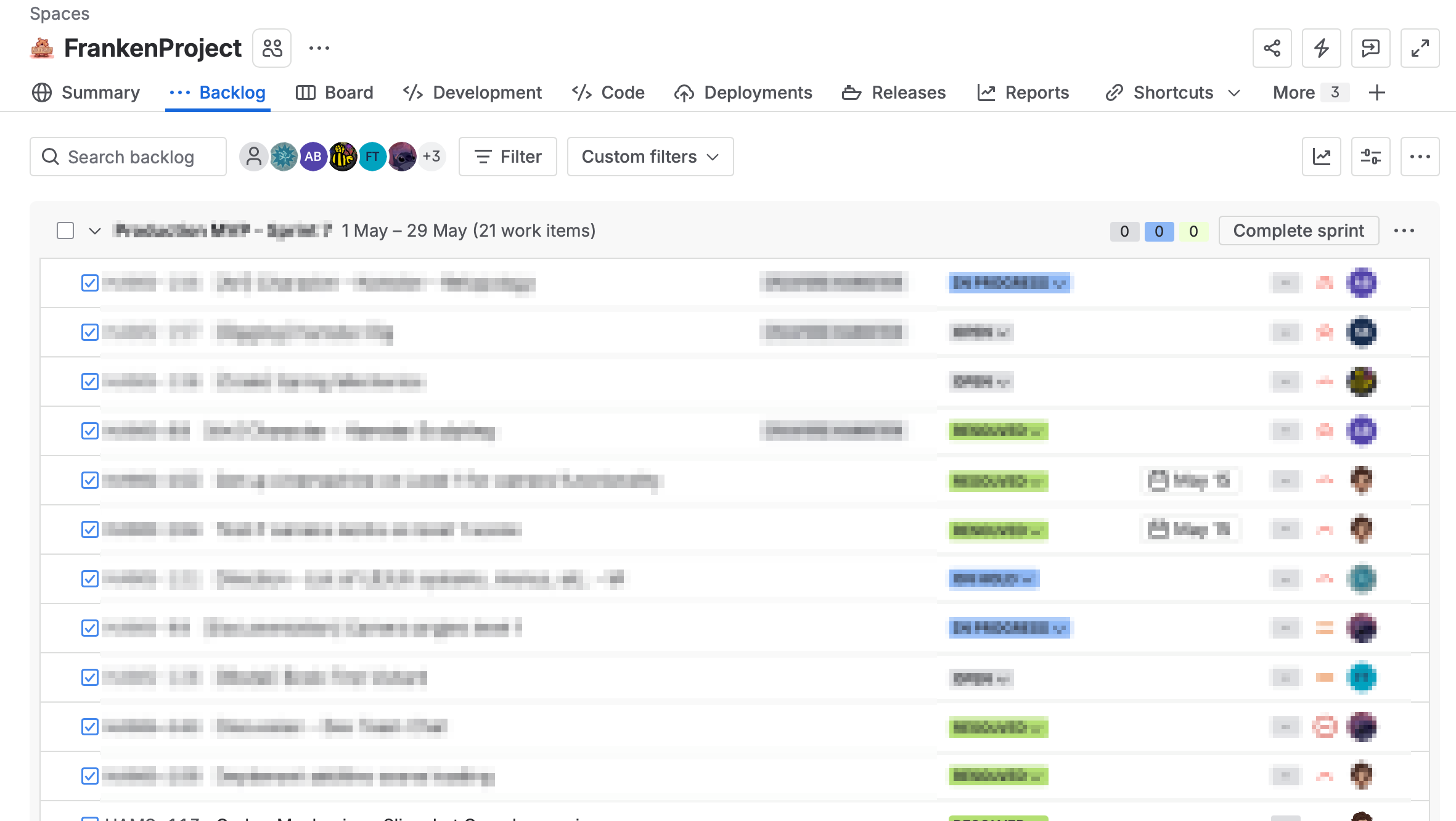
As the production director, a large part of my role is to oversee task division and scrum. To do this, I work alongside the Design Director of the project, Kamila Matuszak (later referred to as Kama), to break down the development into steps, and distribute the tasks over to the rest of the team.
For our scrum, we use Jira as it gives us flexibility to create our own workflows for the project. As a producer for the project, I have developed pipelines and workflows for our studio within Jira. Additionally, I primarily handle task distribution and milestone management of the project.
Team Management
Aside from task division and overall project management, I also handle the onboarding of team members, and provide regular check ups to see how they are doing both inside and outside of the project. In our team, we find it important that our team is motivated, doing well, and enjoying the work they do. Especially given that this project is volunteer based due to lack of funds at the moment, we encourage people to go at their own pace and take breaks if necessary.
Developer’s Wiki
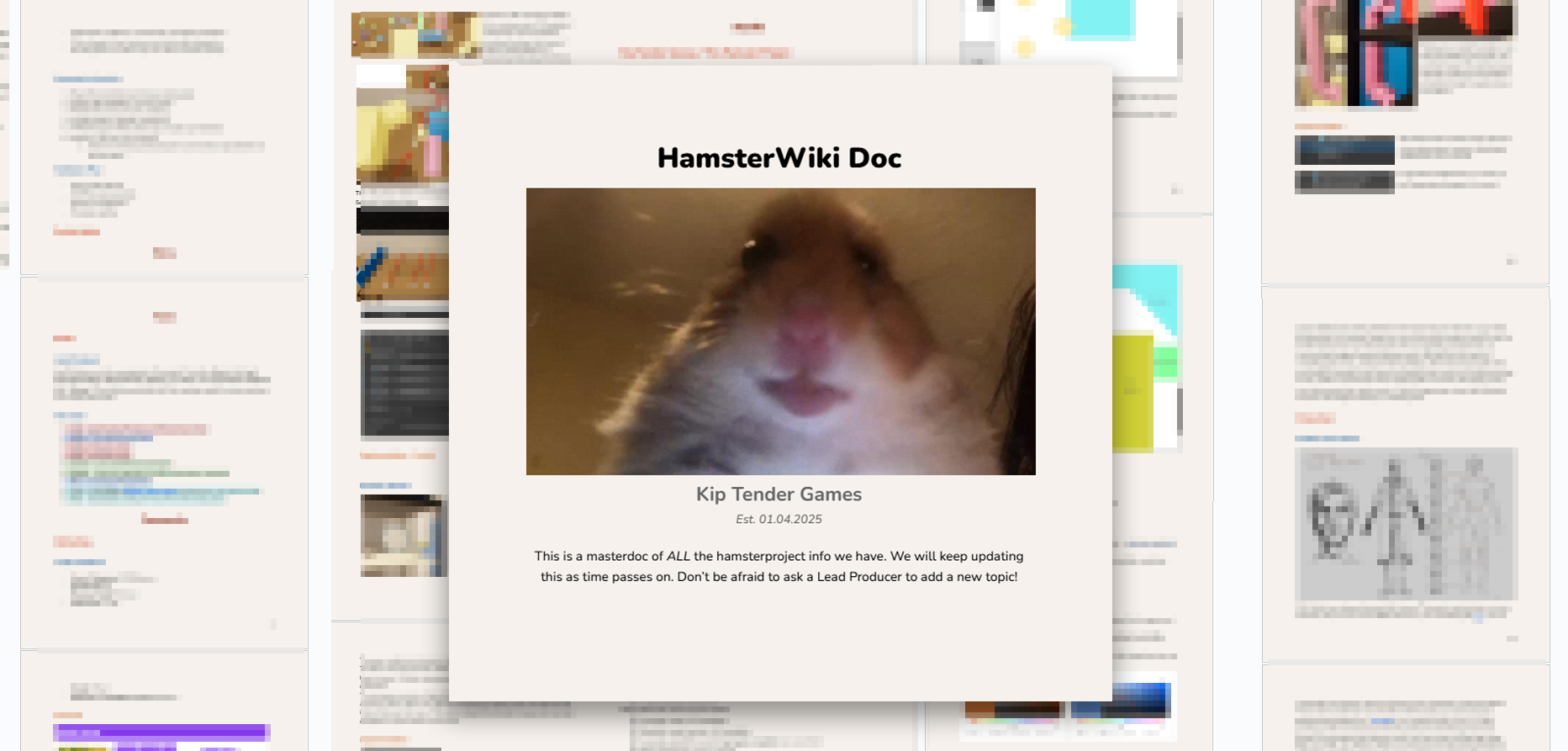
As one of the directors of the game, I took the initiative to create resources for documentation so that information is easy to reference, both for newer members of the team and existing members who want to reference any designs. Some of these categories include: Studio & Team, Market research, Story, Mechanics, Art Guide, Tutorials and many more. This documentation is accessible by all team members for both viewing and writing.
Originally, this documentation was in writing programs, but once we moved over to Atlassian for Jira, we decided to move the documentation to Confluence too. This helps us keep all the information organised.
Environment Art
Props & Artstyle
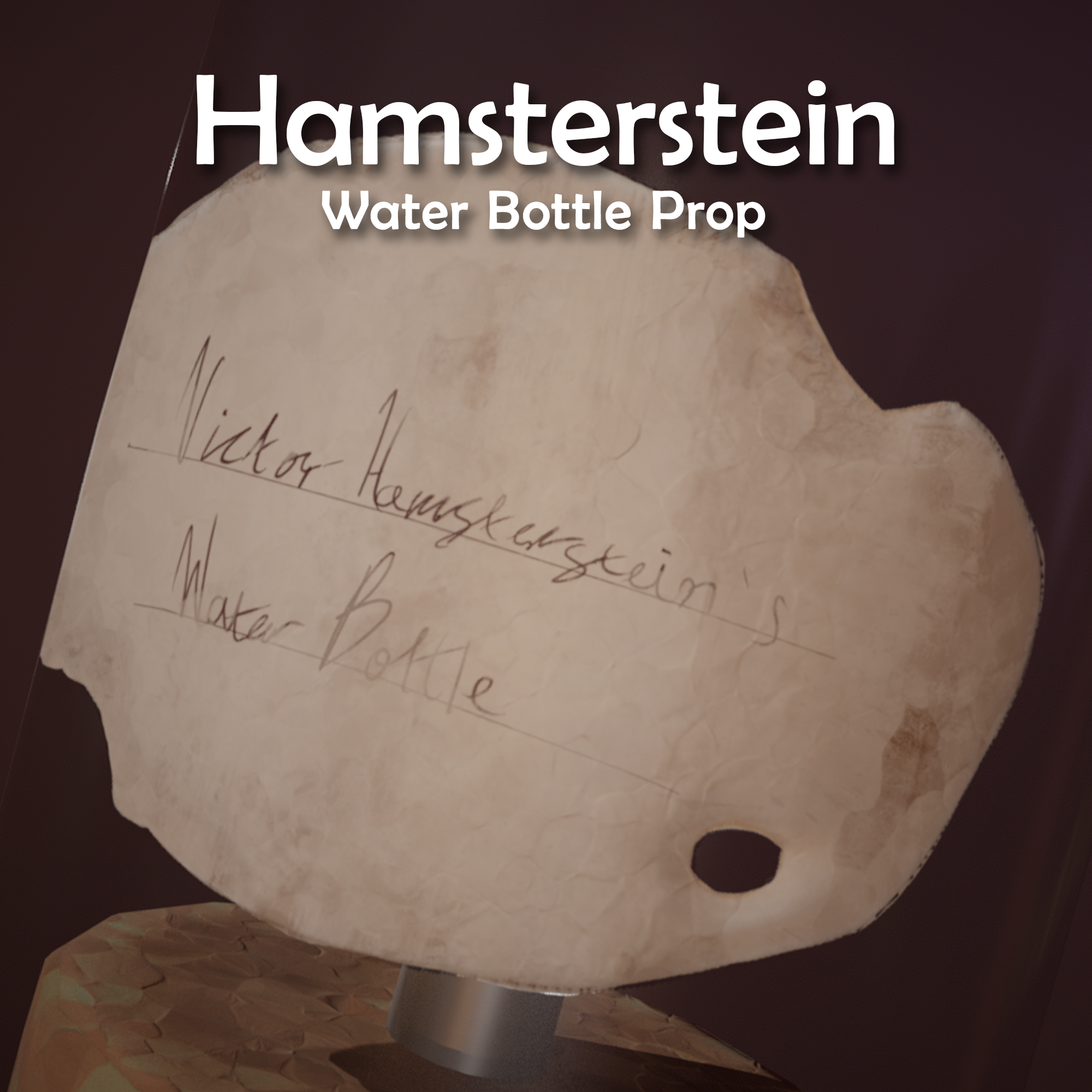
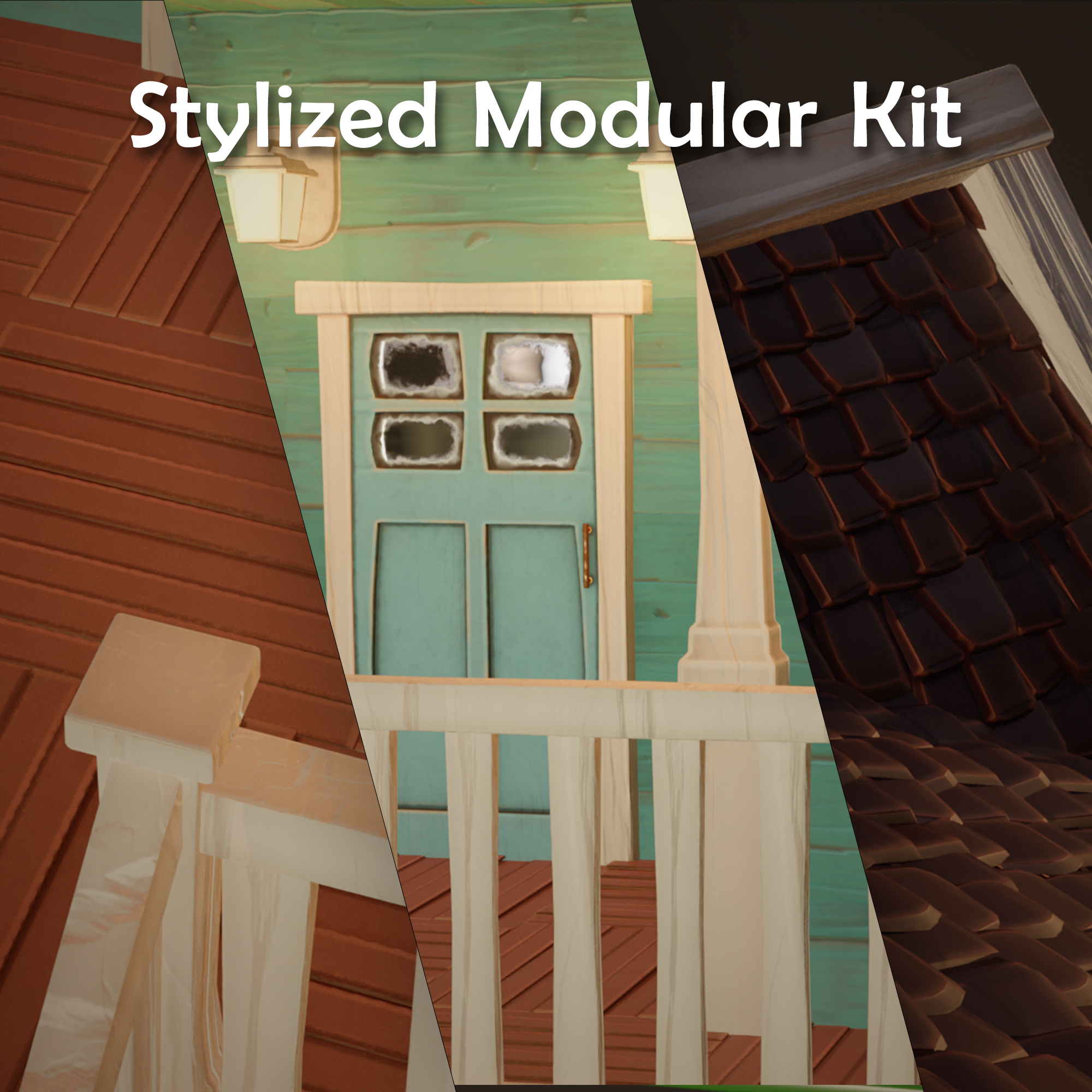
As we are in still in development, I have made two published personal projects to develop the style that we would want to put into the game. Creating these assets is important as we want any future artists on the team to be able to reference existing assets for creating new ones. In addition to these assets, I’ve given the artists a detailed art style guide written in our project documentation.
You can click either of the two images on the right to see them in more detail!
Placeholder Assets
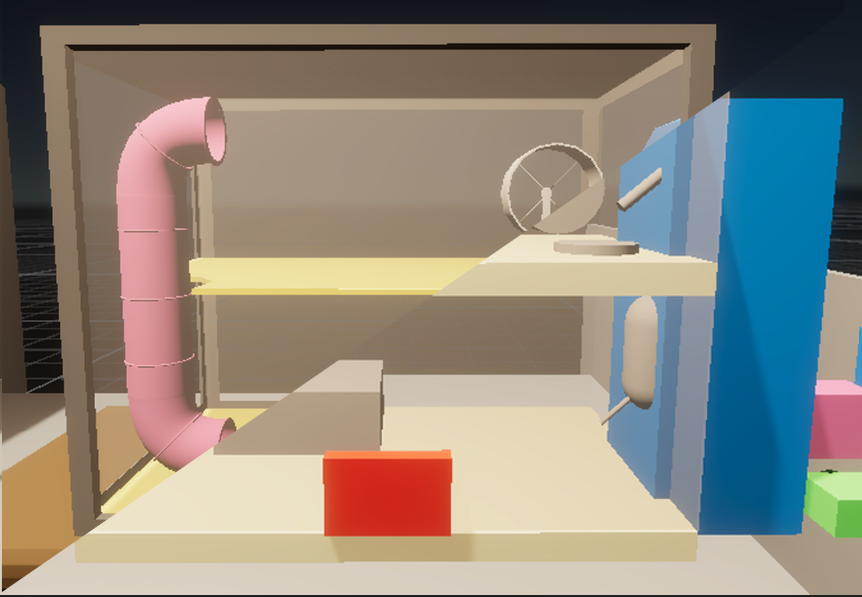
My tasks as an artist in the pre-production stage has primarily been to create high-fidelity placeholders of existing greyboxes for the assets which were created by the level designer. You can see an example of this on the left. I repeated this process for any important assets that the player may interact or collide with.
I would love to show you the whole level, but maybe we can save that reveal for later down the line ;)
Visual Storytelling & Concepting
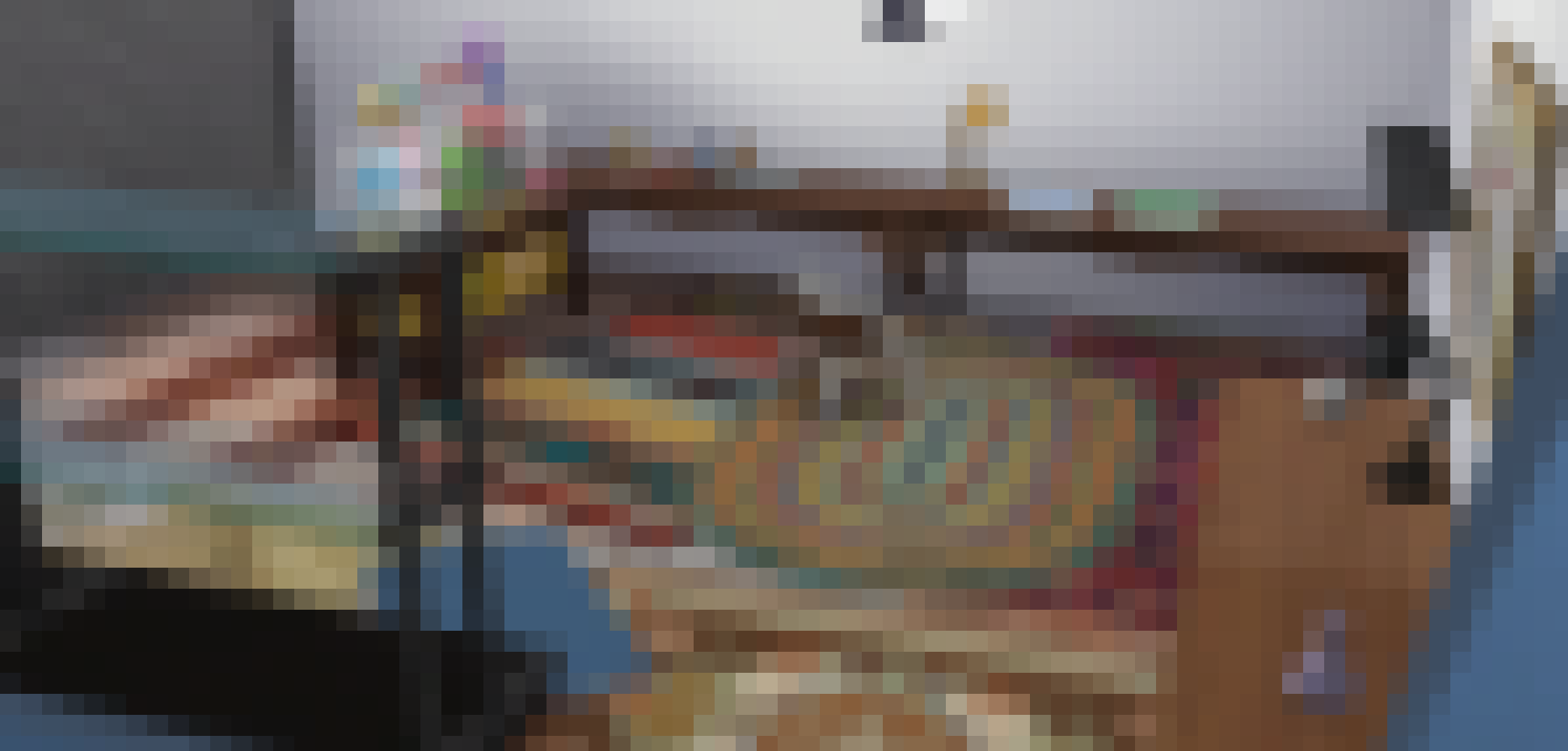
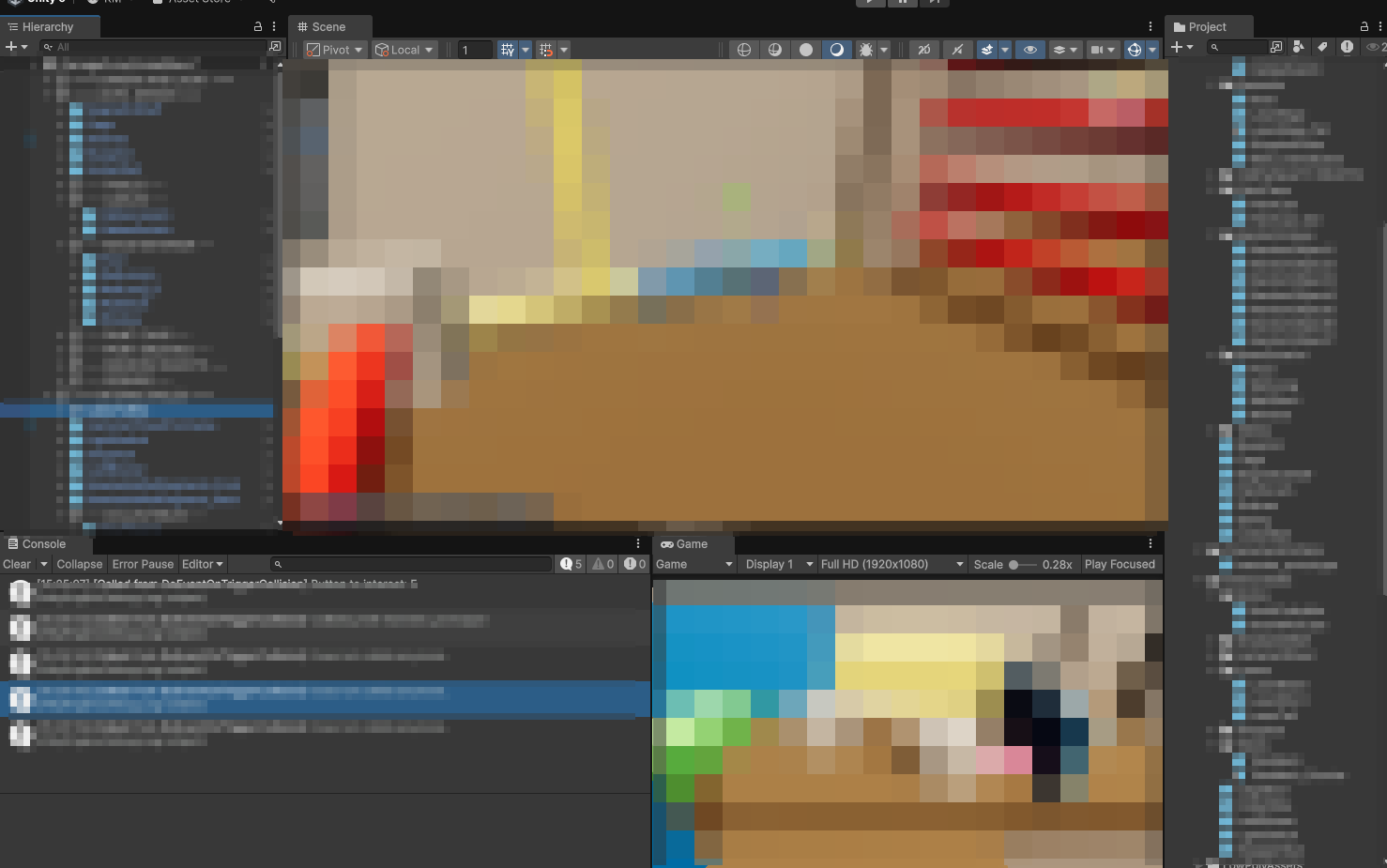
After being given the level layout, flow, and 2D blockout, I created a 3D scene per level using existing assets to visualise the look and feel of the level better before we being creating assets for the environment. Whilst making these concepts, I also implemented visual storytelling elements within the scene, based on the story behind the game. Adding these elements into the level will immerse the player into the game, and we want to unlock the player’s curiosity about the main character’s backstory.
The image is pixelated for the time being to avoid spoilers about the level before any playtests occur.
Upcoming Plans
Demo
Our largest goal at hand is to complete a full, functioning demo of the game. This demo will include the first level with high-fidelity assets, sounds, UI, and more.
This goal is set to be reached before February 2027. We hope to host some public playtests around this time.
Community
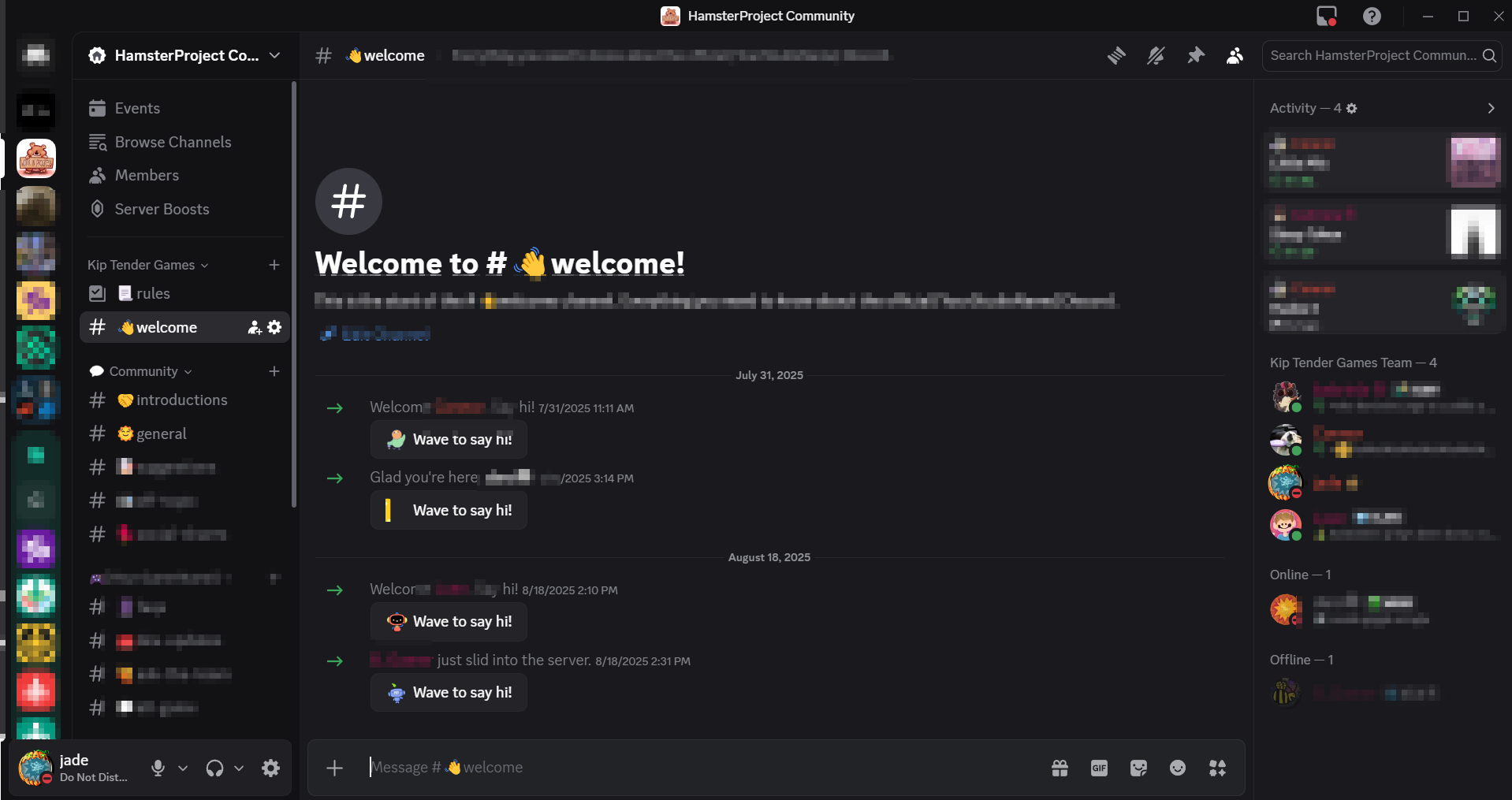
Our game is silly, whimsical, and the story has a lot of depth for the community to unravel. We want to build a community that can bond over the game. Additionally, we aim to build a community that is open to playtesting or investing into the project.
Crowdfunding
A secondary goal to our team which is almost necessary to push our project further is crowdfunding. The funding will mainly be used for any marketing campaigns, publishing, and other business related expenses. We will start this crowdfunding once we have completed the demo and can host playtests for user feedback.